Call it fate, divine providence or a cosmic coincidence, but Steve Barsky and Kevin Cox—following a combined six decades around cameras during their separate careers—are now producing videos together for Red Cliffs Rifle & Pistol Range.
Steve has been behind the lens for more than 40 years, while Kevin has been in front of one for over 20.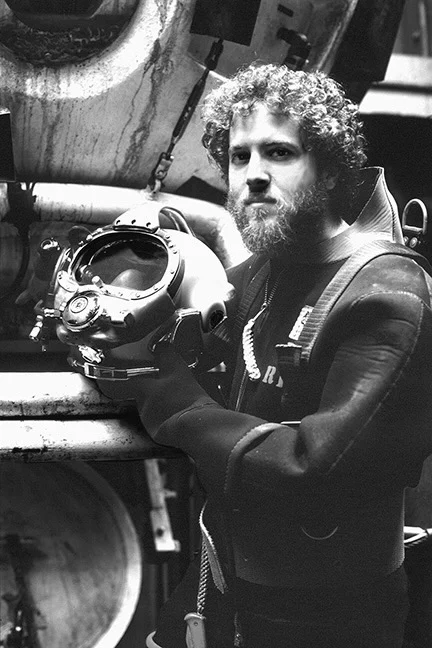
“Our generation grew up on ‘ Sea Hunt ,’” Steve says, explaining his lifelong love of the ocean. While simultaneously enrolled in commercial diving school and UCSB for graduate school in the mid-70s, he convinced a local manufacturing company to loan him a commercial diving helmet with a built-in video camera.
“The U.S. Navy used my master’s thesis as a pilot study for underwater TV systems,” Steve says.
His expertise with video equipment and his deep-sea diver training got him his first job on an offshore oil rig in the North Sea. Other jobs followed in the Gulf of Mexico and South America—mostly inspection dives, which involved photography, non-destructive testing and writing reports. “The diving is just the vehicle to get to the job and do the work,” he explains.
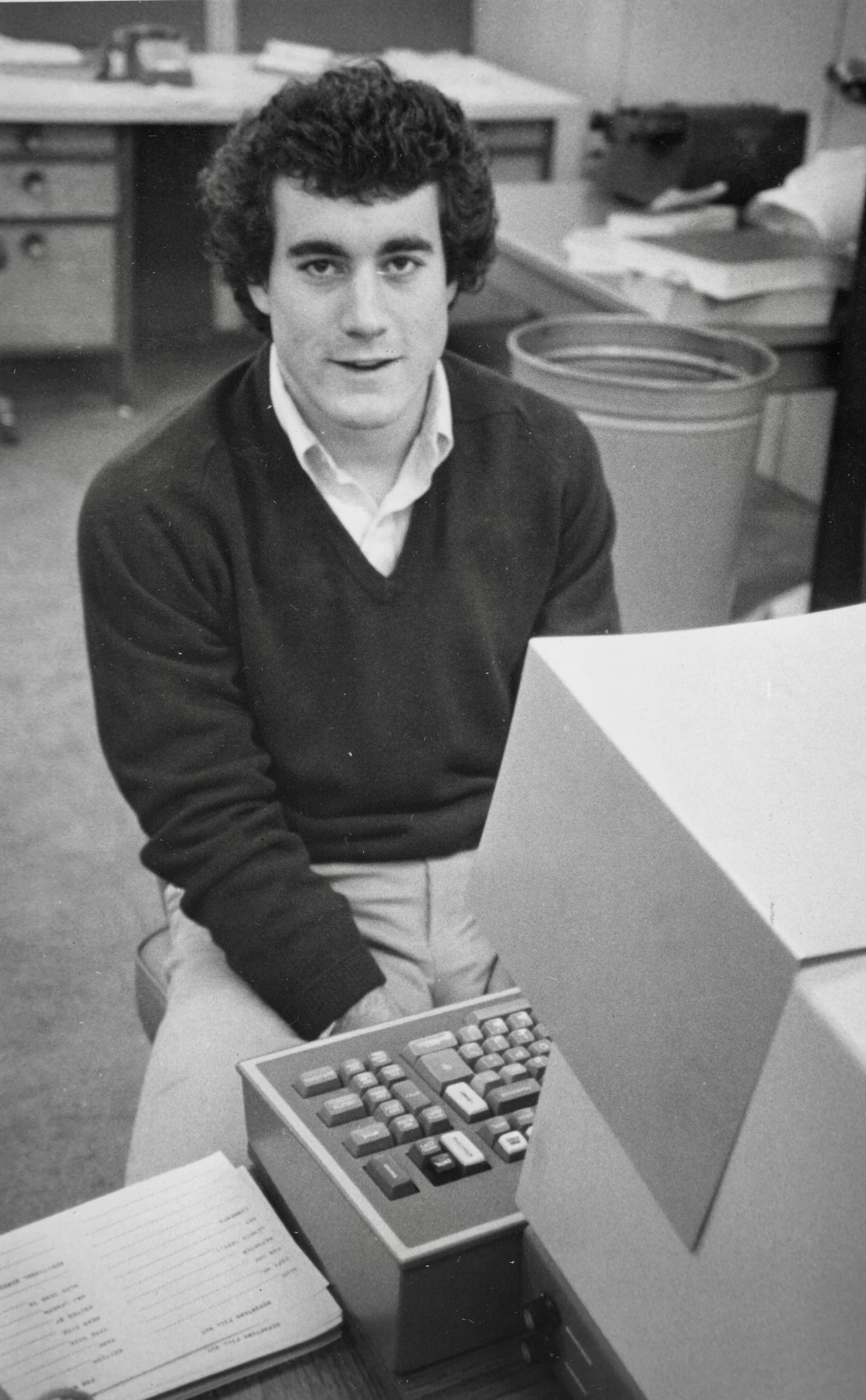 At the same time, Kevin was writing for newspapers while enrolled at Fresno State and Stanford University, then graduated and joined the full-time staff at The Fresno Bee. He transitioned to TV news as a reporter at local stations, then worked for another 20 years off-camera as a freelance producer.
“My mom wanted me to go to law school, but I wasn’t smart enough,” he says on the home page of kevinfostercox.com . “So I became a journalist, working for everybody from the networks to the tabloids.”
In a first-person narrative for the alternative weekly in San Diego, where he was based at the time, Kevin compares his existence during the last part of his career to “an amoeba in the national media’s food chain.”
Steve recreated himself, too. In 1989, he formed Marine Marketing and Consulting, using all his underwater experience to write 18 books and roughly 160 articles with photos for a variety of industry and general-interest magazines, plus produce nine 45-minute videos about diving. “When digital video stated to happen, I bought my first camera and underwater housing,” he remembers. “Kristine (his wife and a former biologist with California Department of Fish & Game) and I had already done a book on lobster diving, so we said, ‘Let’s do a video.’ DVDs were happening at the time, and we sold several thousand.”
Steve did video jobs in Europe and around the U.S., but then, “YouTube came along and pretty much killed that business. Why buy a DVD when you can watch YouTube for nothing?”
He and Kristine moved to Southern Utah in 2012 but didn’t join Red Cliffs right away. “I would practice rifle at Red Cliffs during the winter when there was snow on the ground in Cedar City, where we live,” Steve says. “When Red Cliffs put in the pistol bays, that was the game-changer for us. Both Kristine and I have taken many training classes and wanted to be able to shoot from the holster. The bays allowed us to do that.”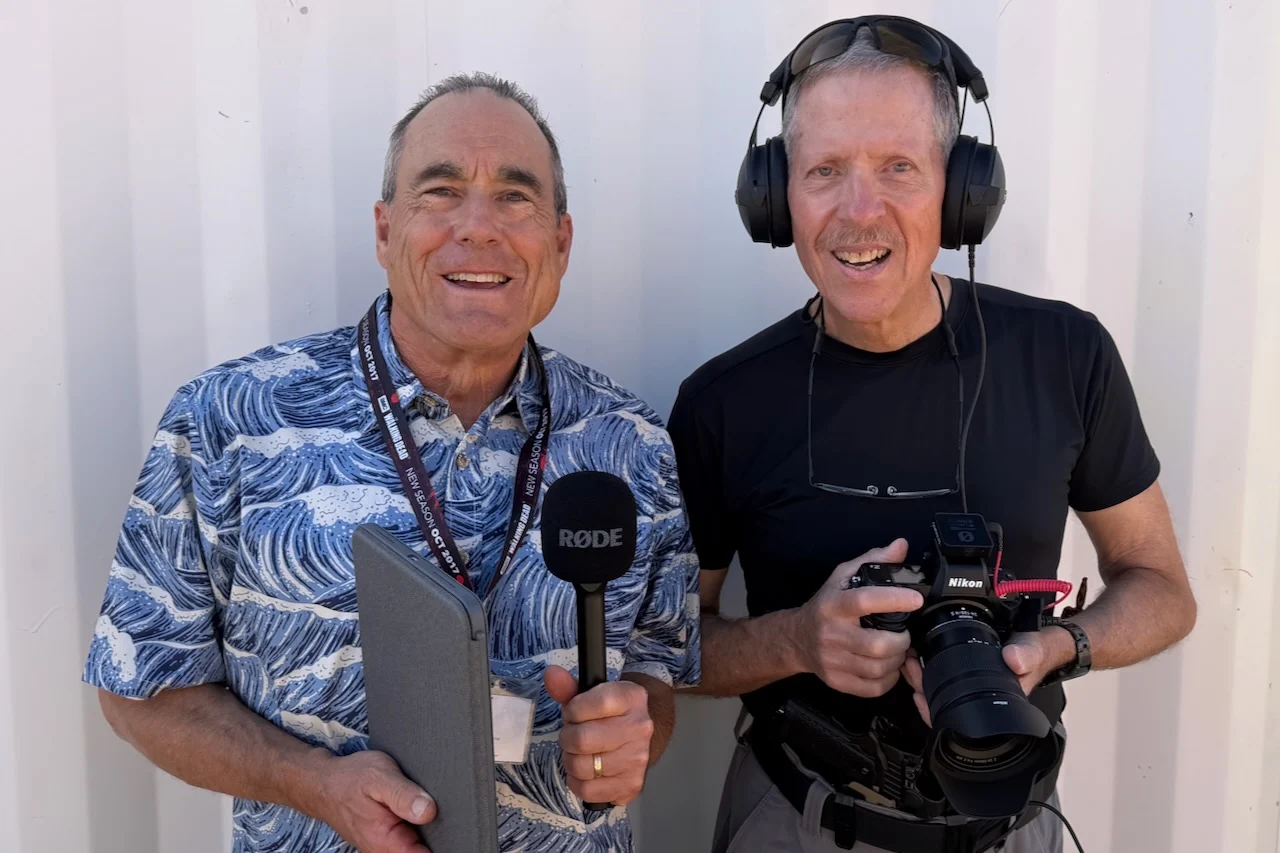
They’ve taken classes with some big names: Rob Leatham, Massad Ayoob and Clint Smith.
Kevin only has a three-day Gunsite course in his background, but he and his wife made the same decision, albeit belatedly, that Steve and Kristine did: It was time to get out of anti-gun California. Kevin and Jaime—some creative spelling of Jamie by her mom—moved from the formerly Golden State in 2023, and he became a member of Red Cliffs about the same time as Steve did. At the direction of Marketing Manager Jack Culley, they started producing videos for redcliffsrange.com .
The great irony is that Steve is also back on YouTube —this time with Kevin and the Red Cliffs members or events that they feature—because that’s where the viewers are. “We definitely want to find some younger people to feature in our videos,” he says. “Part of the mission is to attract the next generation of shooters.
“Hopefully, people see our videos and say, ‘Oh, this is a happening place.’ It makes people want to come to the range, and we’re giving our members recognition for their contributions. I think there’s a lot of value in that.”
By Kevin Foster Cox